Autumn Foraging Checklist for Traditional Games
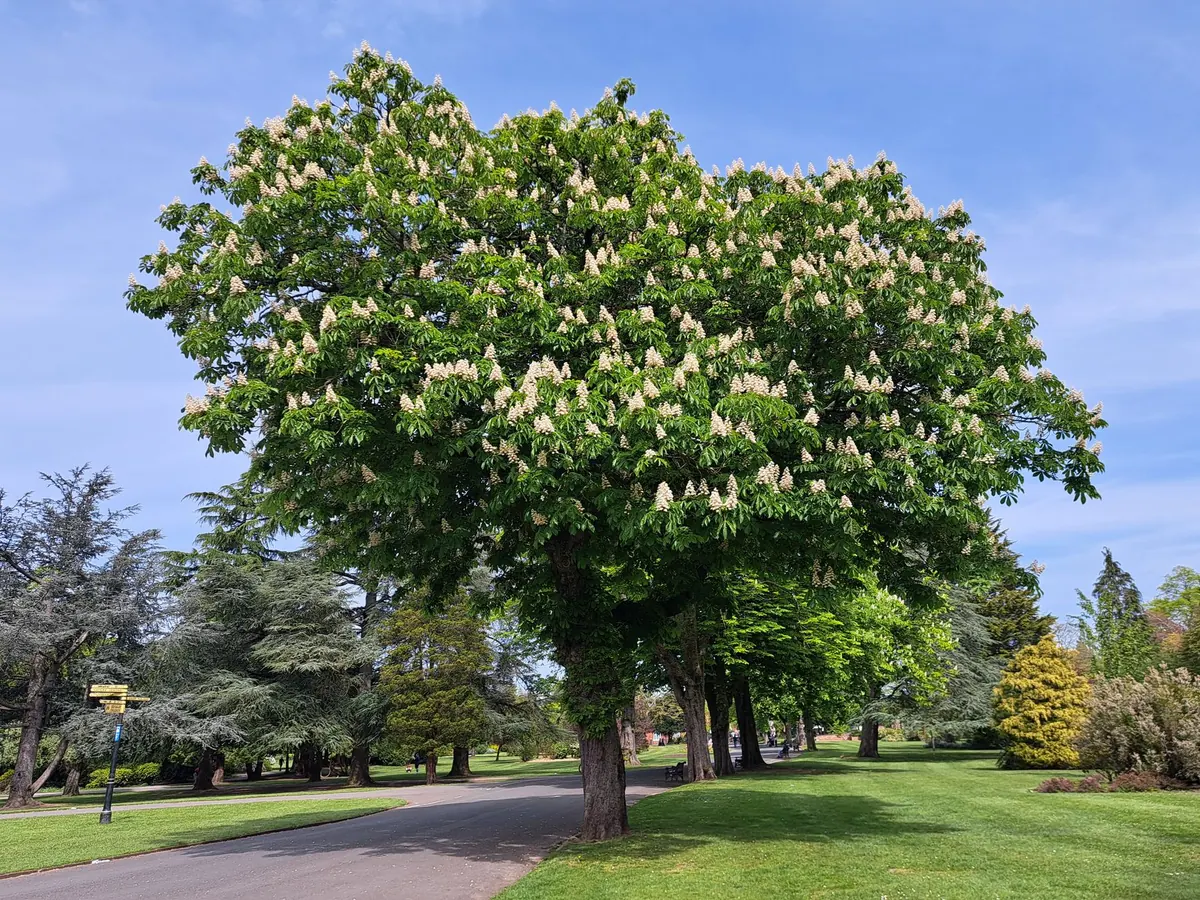
Autumn hands over the equipment for a whole season of games. It lands on the pavement after a windy night, gathers in drifts by the park gate, and hangs heavy on the lower branches of the tree you pass every morning. The trick is to go out with a cloth bag and a purpose, and to know which finds earn their place. Conkers get the attention, but acorns, pinecones and a few overlooked bits of hedgerow carry more games than most people realise. Here is what to gather, and what to do with it once you are home.
The Pick-Up List
Start here. Everything below can become a game within an hour of getting home, and none of it costs anything.
- Conkers — horse chestnuts, firm and unmarked, for the classic game and for spares.
- Acorns — handfuls of them, caps on where you can, for counters, tops and tossing games.
- Pinecones — dry, open ones only, for skittles, target practice and boats.
- Sycamore keys — the winged seeds, for whirling races off the edge of a wall.
- Beech mast and hazelnuts — small and smooth, better as counters and markers than as marbles.
- Flat pebbles — five similar ones for five stones, plus a few spares for hopscotch markers.
- Straight sticks — thumb-thick and clean, gathered from the ground rather than snapped off a tree.
Take a cloth bag rather than a plastic one. Conkers sweat, acorns go mouldy, and a bag that breathes gives everything a better chance of lasting until the weekend.
Conkers: Choose Well, Then Wait
What a good conker looks like
Pick them off the ground, in or just out of their spiky shells. A conker that has fallen on its own is ripe; one that resists a tug is not ready and will shrink as it dries. Look for a glossy, hard surface with no soft patches, no hairline cracks and no neat round hole, which usually means a weevil got there first. Size matters less than density. A smaller, heavier conker on a short lace is harder to hit and takes a decent knock.
Preparing them
Spread your haul in a single layer in a cool, airy room for a week or so. A radiator or a sunny windowsill dries them too fast and makes the shells brittle. When they are ready, drill straight through the middle with a fine bit; that is a grown-up job, and a bradawl gives you more control than a power tool. Thread a lace or a length of parcel string through, knot it at both ends, and you are in business.
Old hands soak conkers in vinegar or bake them low and slow. Both traditions harden the shell a little and change the sound of the game, but neither makes a conker unbeatable. Do it for the ritual if you enjoy the ritual, and keep a few untreated ones back for comparison. As for the rules: two players, one conker held still on its lace, the other swung at it, turns taken. A conker that breaks its opponent becomes a "oner", then a "twoer", and so on. The broken one is out.
Acorns: Counters, Tops and Quiet Contests
Once the conker fever passes, acorns become the quiet workhorses of the autumn bag. Collect them with their caps on if you can, because a capped acorn looks more like a tiny spinning top and rolls less unpredictably. If the caps fall off, that is fine; they still make excellent counters, markers and tokens. A handful of acorns can stand in for coins in a trading game, serve as pieces in a homemade board game, or become the ammunition for a gentle tossing contest into a bucket or an old plant pot.
One of the simplest games is acorn skittles: stand five or six acorns on a flat stone and roll a slightly larger one at them. It is a game of tiny margins, and it teaches a light touch. For a faster contest, draw a chalk circle and take turns flicking acorns toward a target line; the closest wins. Acorns also make satisfying tops if you push a short, sharpened stick through the centre, though the stick should be blunt enough not to split the shell. Keep a few caps aside—they make good hats for clay figures, and small children will find uses you had not thought of.
Pinecones: Skittles, Targets and Boats
Pinecones are the most forgiving thing you can gather. They are dry, light and less likely to bruise than fruit, and they come in enough shapes to suggest different games. Look for cones that are fully open and free of sticky sap. A closed cone may still be damp inside; leave it in a warm, dry place for a few days and it will open with a satisfying crackle.
For pinecone skittles, stand ten cones in a triangle on a smooth path and bowl a tennis ball or a firm apple at them. For target practice, hang a cone from a branch by a length of string and take turns throwing soft beanbags or rolled socks. For pinecone boats, float a cone in a bowl of water or a puddle and blow it from one side to the other; add a leaf sail and a twig mast if you want to get elaborate. The best part is that a wet pinecone is not ruined—it dries out and closes up, then opens again another day.
Sycamore Keys, Beech Mast and Other Small Finds
Sycamore keys—the winged seeds that spin like tiny helicopters—are made for racing. Stand at the edge of a wall or a low step and drop them one at a time. The one that spins longest or lands furthest wins. It is a game of breath and patience, and it costs nothing to play over and over.
Beech mast and hazelnuts are smoother and heavier. They are not ideal marbles because they do not roll true, but they are perfect counters for board games, markers for hopscotch and tokens for treasure hunts. If you have a shallow tin, a handful of beech mast makes a pleasing shaker; if you have a piece of chalk, they become the treasure in a map game. Hazelnuts can also be threaded onto a string to make a simple counting abacus for younger children.
Five Stones, Pebble Games and Sticks
Flat pebbles are the unsung heroes of the autumn bag. Find five that sit comfortably in your palm, roughly the same size and not too sharp. Five stones—also called fivestones, jackstones or knucklebones in older traditions—needs only a flat surface and a little floor space. Scatter the five, pick one, toss it, snatch another, and catch the falling one before it lands. Work through the rounds: ones, twos, threes, fours, then the full hand. It is a game of coordination that rewards practice and can be played indoors on a rainy afternoon.
Straight sticks are the other essential. Gather thumb-thick sticks from the ground rather than snapping them off a tree; fallen wood is drier and breaks more cleanly. A set of ten similar sticks makes a simple game of pick-up sticks, where the aim is to remove one without moving the others. Longer sticks become goalposts, boundary markers, limbo bars or the base of a small den. If you have two forked sticks and one straight one, you have the frame for a woodland target or a miniature catapult—though the latter is best saved for older children and a clear, open space.
Storing Your Haul So It Lasts
A little sorting at home makes the difference between a weekend of games and a bag of mush. Keep conkers separate from acorns and nuts, because dampness spreads. Store each type in a paper bag, a cardboard box or a woven basket in a cool, dry place. Do not seal them in plastic; trapped moisture encourages mould. Check every few days and remove any that have gone soft, cracked or grown a fuzzy coat.
Pinecones and sticks can live in an open crate or a canvas bag near the door. Pebbles can go in a jar or a tin, ready for a spontaneous game. Sycamore keys and beech mast are best used within a week or two, while hazelnuts may keep longer if they are dry and unshelled. If you plan to use acorns as counters, a light rub with a dry cloth removes dust and makes them easier to handle.
Field Notes, Safety and Fair Play
Foraging for games should leave the outdoors as good as you found it. Take only what you need, leave plenty behind for wildlife and for next year's crop, and never pull cones or nuts from branches when they are not ready. Avoid trees beside busy roads, and wash your hands after handling hedgerow finds. Check local rules in parks and nature reserves; in some places, collecting fallen fruit and seeds is fine, while in others it is not.
When you play, agree the rules before the first throw. Conkers on laces should be swung, not thrown. Sticks should be carried pointing down and never used as swords. Pinecone skittles need a clear lane, and pebble games need a flat surface away from windows. A grown-up should handle any drilling, cutting or sharpening.
Half the pleasure of an autumn game is the gathering: the cold hands, the full bag, the argument about which conker is strongest.
One Afternoon, Four Games
If you want a ready-made plan, try this. Start with a twenty-minute forage: ten conkers, a handful of acorns, six pinecones, five flat pebbles and a bundle of sticks. Back home, set up four stations. At the first, play conkers on a short lace. At the second, roll acorns at a chalk target. At the third, bowl a ball at pinecone skittles. At the fourth, play five stones or pick-up sticks. Rotate every ten minutes. Finish with a sycamore-key race off the garden wall or a windowsill, and a cup of something warm.
None of it requires a shop, a screen or a battery. Autumn has already done the hard part. All you have to do is pick it up, sort it out, and play.
Photo: LenaSparring / Pixabay