Conker Season Calendar: When to Forage, Dry and Drill in the UK
Conker season is longer than most people think, and it has three separate peaks. The first is collecting: the fortnight or so when husks split and the shiniest conkers of the year land on the pavement. The second is drying: weeks of quiet work in a cool shed while soft, pale nuts harden into something that will survive a proper game. The third is playing, which in a good year carries you from October to Christmas and beyond. Get the order wrong — drill a conker on the day you pick it up and put it straight on a lace — and you will lose to someone with less enthusiasm and better storage.
How the Conker Year Runs
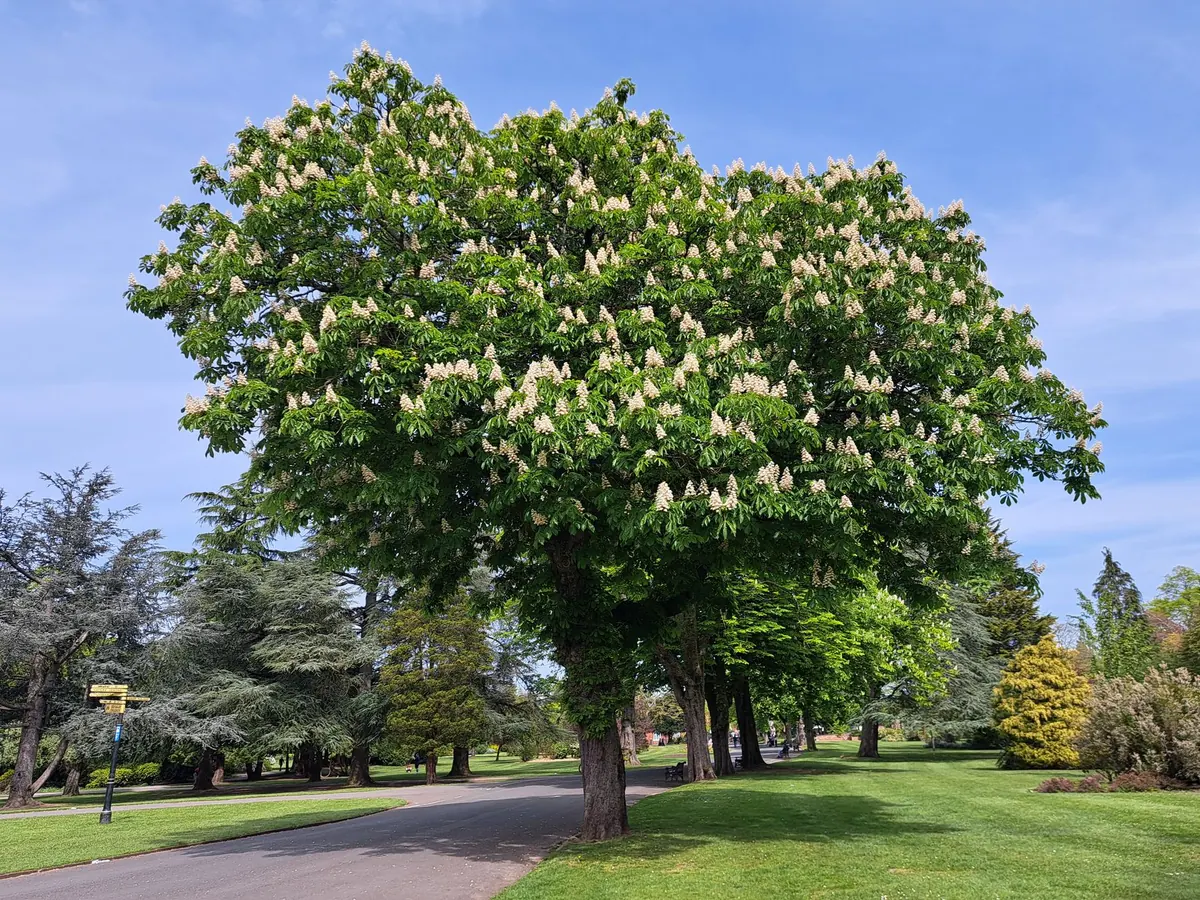
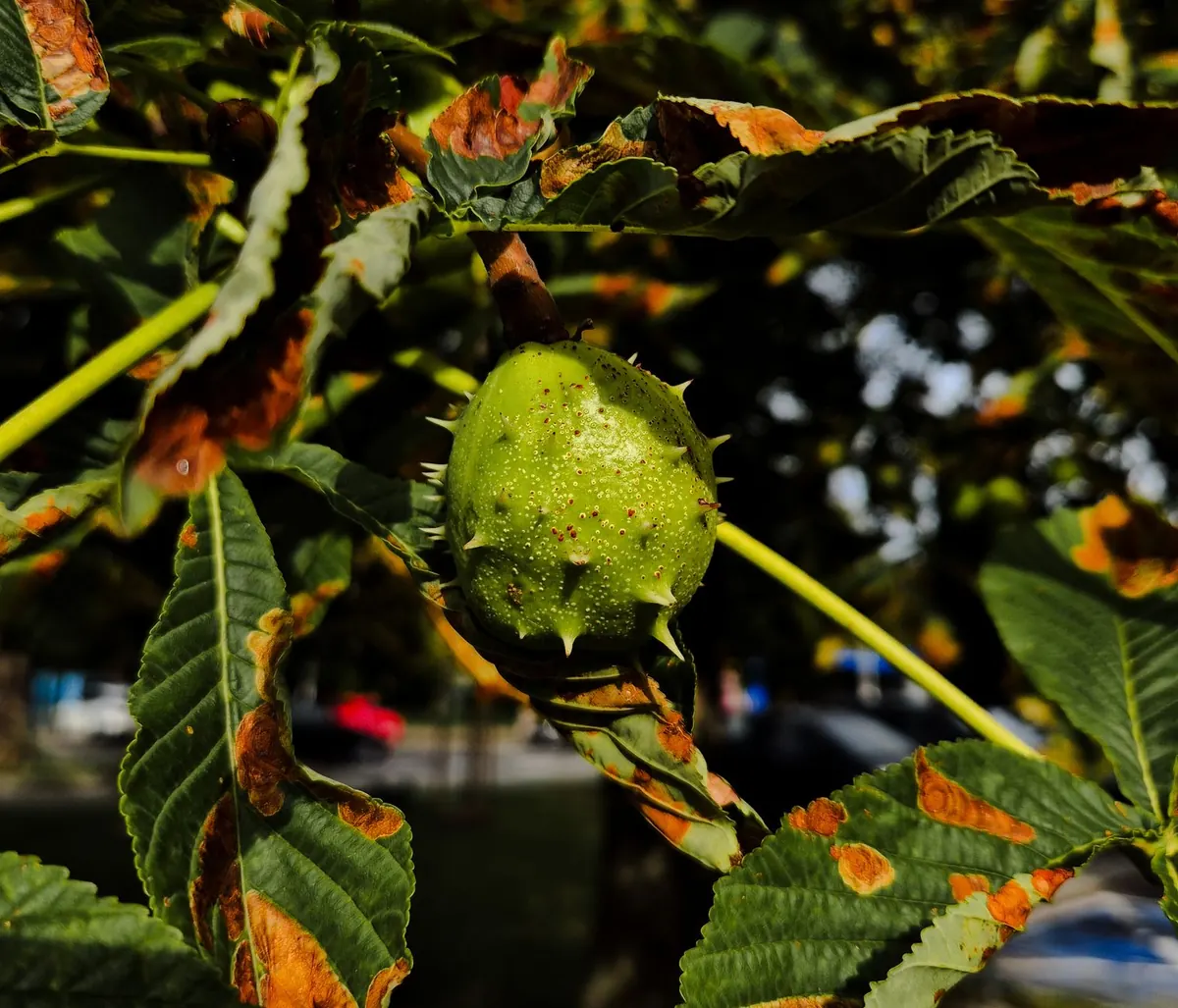
Horse chestnuts follow a steady pattern. The trees throw up their white candle flowers in May, and those candles turn into spiny green husks over the summer. Inside each husk sits one, two or occasionally three conkers: glossy brown with a pale scar where the seed was attached. When the husk ripens it splits into two or three segments, and the conker drops. Everything after that is about water leaving the nut.
A rough calendar for most of the UK looks like this:
- Late August: husks still green and closed. Conkers inside are pale, soft and useless. Leave them alone.
- September: the first falls, mostly from sheltered trees in the south. Fine for a scouting walk, not for playing.
- Early to mid-October: the peak. Husks split properly and conkers land clean and dark.
- Late October to November: windfalls, odd stragglers, and the best window for gathering a store to dry.
- December to February: drying and hardening indoors or in a cool shed.
- March to August: storage checks, planting and waiting.
North of the Midlands, and anywhere high or exposed, expect the whole thing to shift a fortnight later. A warm, dry September brings husks down quickly; a wet one leaves them hanging on into November. Strong wind does more of the harvesting than any of us do.
September: Green Husks and False Starts
The temptation in September is to pick conkers straight off the tree. Don't. An unripe conker shrivels into a wrinkled pebble within days, and pulling at branches damages next year's crop. Wait for the ones that have fallen of their own accord, ideally after a windy night when the ground under a good tree is freshly scattered.
Green husks still tightly closed around a pale nut mean the tree is not ready yet. A ripe husk has begun to split, or gives easily under a boot. Wear gloves if you plan to open a lot of them — the sap stains, and the spines are scratchy. Look under horse chestnuts in parks, churchyards, canal towpaths and quiet residential streets, but check where you are: on private land, on a managed estate, or in a walled garden, ask the owner or gardener first. It costs nothing and avoids an awkward conversation.
As a rough quality test, drop your finds into a bucket of water. Conkers that sink are dense and sound; the ones that float are light or hollow and will disappoint you later. Set them aside and let the birds have them.
October: The Peak, and the Playing Window
October is the month everything comes together. Husks are splitting freely, the ground is a carpet of brown, and the first genuinely hard conkers are available. Many organised competitions, including the long-running championships, are played in early October and insist on conkers from that year's crop, prepared without soaking, baking, varnishing or any other hardening trick. If you are entering a competition, read its rules before you touch a drill.
If you just want to play, this is the drill-and-lace stage. It takes about a minute per conker:
- Choose a firm, evenly round conker with no cracks and no soft patches.
- Drill straight through the middle with a 4–5mm bit, or push a metal skewer through with steady pressure.
- Thread a shoelace or a length of paracord through, and tie a firm knot in the end so the conker cannot slide off.
- Leave roughly 20cm of string between your hand and the conker — long enough to swing, short enough to control.
Fresh October conkers are still soft inside, and they split sooner than you would like. That is part of the game. Beat someone in the first week of October and you have genuinely won something.
November: Windfalls, Sorting and the Drying Window
By November the season is closing. Husks are open or empty, fallen conkers are often scuffed and rain-darkened, and frost will start to spoil anything left lying on grass. This is the last good chance to gather a store for next year.
Sort as you pick. Throw back anything with a small round hole, which means a grub has already left, plus anything with soft spots, mould or a split shell. Store the keepers in a single layer in open trays, cardboard boxes or seed trays — never in a sealed plastic bag, which traps moisture and grows fur. A cool, dry, dark place with airflow is what you want.
Worth knowing: conkers are not edible. Unlike sweet chestnuts, they contain compounds that make people and animals ill, and dogs in particular will sometimes chew them. If a child or a pet swallows one, contact NHS 111 or your vet for advice.
December to February: Drying and Hardening
Air-drying, the honest method
Spread your conkers in a single layer in a cool, dry room, garage or shed, and turn them every week or two so they dry evenly. Two to three months of this gives a dense, dark, hard conker that taps sharply on a table. Slower is better: a conker dried gently over a winter will outlast anything rushed.
Tricks that mostly fail
Soaking in vinegar smells dreadful and does not reliably harden anything. Baking in the oven makes shells brittle, so they shatter on contact. Varnish or paint often breaches competition rules and flakes off onto the lace. There is no shortcut that beats time in dry air.
March to August: The Quiet Months
Check your store once a month through spring. Discard any that have gone soft or furry, and move the box if mice have found it — they are as fond of conkers as we are. Old conkers kept for luck will wrinkle eventually, so enjoy them while they last.
Spring is planting season. Horse chestnut seeds germinate easily: soak a conker overnight, pot it in damp compost with the scar on its side, and leave it outside over winter or keep it cool. It will send up a shoot, and in a decade or two you will have a tree of your own — worth it only if you have the space, as these are big trees. May brings the flower candles again, and by August you can start watching your favourite tree for the first sign of splitting husks.
A Practical Conker Season Checklist
Find one good tree and learn its timing; a single reliable tree beats a dozen random walks. Go out after windy weather, not after rain. Carry a cloth bag rather than a plastic one so nothing sweats on the way home. Keep a tin of drying conkers somewhere cool, and top it up every few weeks through autumn. Buy a cheap drill bit in the size you need and keep it with your laces so the whole job takes an evening rather than a fortnight. Then, when the first hard, dark conkers come out of storage in late autumn, you will be ready for the best part of the year.
Photo: Annashoots 📷 / Pexels