Slots, Poker, and the House Edge: A Bettor's Reality Check

Every few months, someone lands a slot jackpot for six figures, the clip goes viral, and half the internet starts searching for the secret formula. Here's the uncomfortable truth that casino veterans learn early: the machine that just paid out $2 million is the same machine that took $200 from your neighbor an hour earlier. Nothing changed except a random number generator doing what random number generators do. Understanding that reality — and still finding the fun in it — is what separates a smart bettor from a frustrated one.
The House Edge Isn't a Scam — It's the Business Model
Let's start with numbers, because vagueness is where bad decisions breed. Every casino game has a mathematical edge baked into its rules. Blackjack with perfect basic strategy? The house edge drops to roughly 0.5%. European roulette? 2.7%, thanks to that single zero. American roulette? Nearly double, at 5.26%, because of the extra 00 pocket. And slots? Anywhere from 2% to 10%, depending on the machine and jurisdiction, though many online slots sit in the 3% to 5% range.
What does that mean in practice? If you cycle $1,000 through a slot with a 4% house edge, you should expect to lose about $40 on average over that volume. You might lose $300. You might walk away up $500. The edge only reveals itself across thousands of spins — which is exactly why the casino is patient and you should be too, at least about your expectations.
The games aren't rigged. They're priced. Once you accept that, you stop chasing losses like they're accidents and start treating them like the cost of a night out.
Slots: Volatility Matters More Than RTP
New players obsess over RTP — return to player — and ignore volatility. That's a mistake. RTP tells you what percentage of all wagered money gets paid back over millions of spins. Volatility tells you how that money comes back: in a steady drip or in rare, violent bursts.
- Low volatility slots hit frequently but pay small. Think 5-reel classics with modest multipliers. Good for stretching a bankroll.
- Medium volatility is the sweet spot for most players — occasionally big, occasionally quiet.
- High volatility slots like Book of Dead or Money Train can go 200+ spins without a meaningful win, then pay 5,000x. Fun, but brutal on a small budget.
A slot with 96% RTP and high volatility will feel like a scam to someone with a $50 bankroll. The same game rewards a player with $500 and patience. Match the game to your wallet, not to the marketing banner screaming "MEGA JACKPOT."
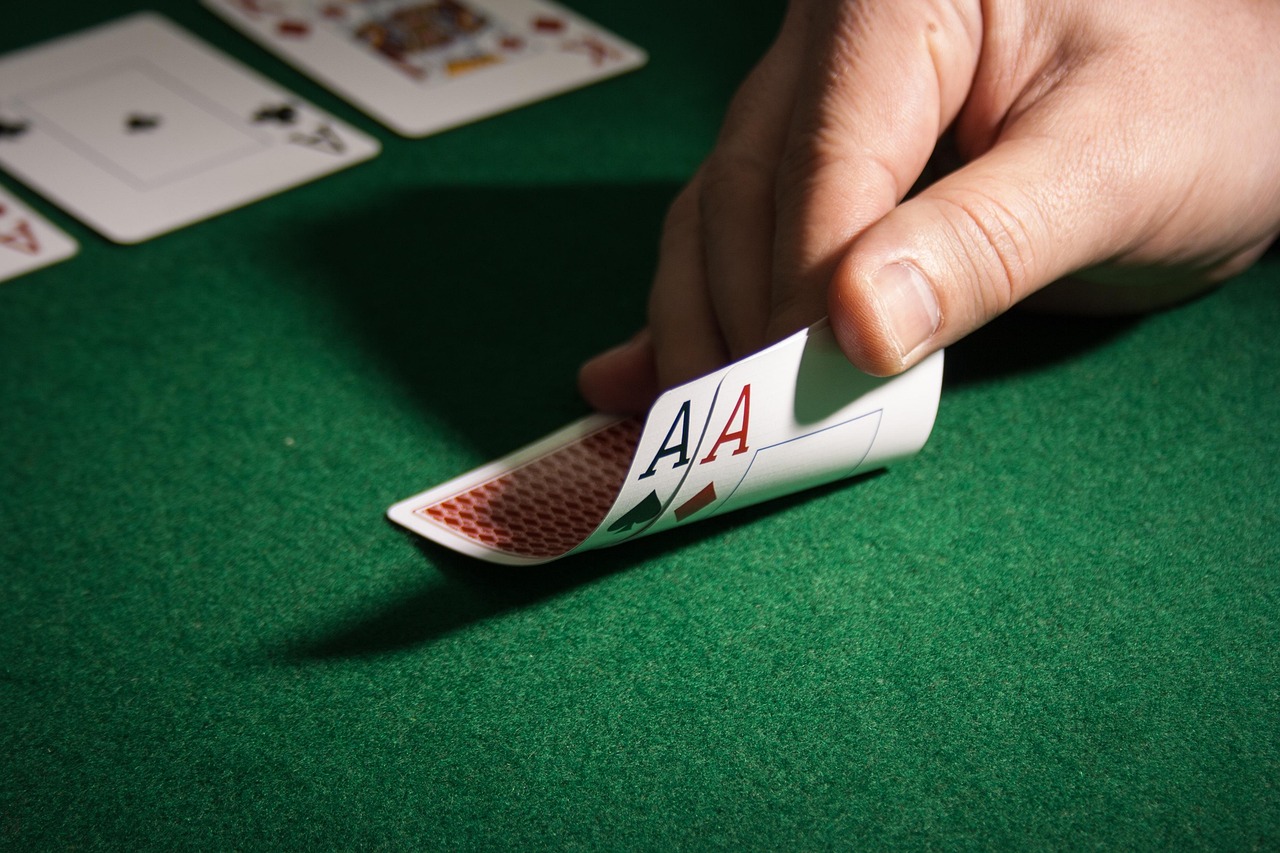
Poker Is the One Game You Can Actually Beat
Here's the irony: poker is the only major casino game where the house doesn't care if you win. They take a rake — typically 5% up to a capped amount per pot — and the rest is between you and the other players. That means skill genuinely matters, which is both the good news and the bad news.
In a low-stakes online game, you might face a mix of recreational players and semi-pros grinding for a living. In a live $1/$2 game at a casino, half the table might be tourists who play once a month. That gap is where profit lives.
- Play tight in early positions. Fold marginal hands like K-10 offsuit from under the gun. Position is leverage.
- Watch betting patterns, not just cards. A player who bets small on a wet board is often weak. A player who overbets on a dry board usually isn't.
- Track your sessions. If you can't tell whether you're winning, you're probably not.
- Change tables when the lineup is tough. Table selection is a free edge most amateurs ignore.
Online poker rooms also offer rakeback and bonuses in jurisdictions that regulate them, which can shave a meaningful chunk off your effective cost of playing. It's not glamorous, but it's real money.
Sports Betting: Line Shopping Is Free Money
Sports betting gets treated like a coin flip with extra steps. It's more nuanced. The vig — the bookmaker's commission — typically sits around 4% to 5% per side on a standard -110 line. That's the built-in tax on every wager. You can't eliminate it, but you can reduce it by shopping across multiple books. L'Avenue Dubai offers a practical breakdown of the topic.
Say the Chiefs are -3.5 at one book and -3 at another. That half-point is the difference between a push-prone wager and a winning one when the final score lands exactly. Professional bettors keep accounts at five or six sportsbooks for precisely this reason. If you're betting one game a week for fun, this matters less. If you're betting daily, it's the difference between a hobby and a slow bleed.
Bonuses: Read the Fine Print Before You Celebrate
Welcome bonuses look generous until you read the wagering requirements. A 100% match up to $500 with a 40x rollover means you need to wager $20,000 before withdrawing a cent of bonus money. Slot contributions toward that requirement often count fully, while table games may count at 10% or 20% — or not at all.
Things to check on any bonus:
- Wagering requirement multiplier (anything above 40x is aggressive)
- Game contribution percentages (slots vs. blackjack vs. live dealer)
- Maximum cashout limits on winnings from bonus funds
- Time window — 7 days is tight, 30 days is reasonable
- Whether the bonus is sticky (can't be withdrawn) or cashable
A mediocre bonus with clean terms beats a huge bonus with invisible traps every time.
Bankroll Management Is the Real Skill
You can play every game at the casino and still be a winning player long-term if you manage your money correctly. The reverse is also true. Set a session budget you're comfortable losing entirely, and separate it from rent money, savings, and anything that matters. When it's gone, the session ends.
Flat betting — wagering the same amount regardless of whether you're up or down — is boring but effective. Chasing losses with triple-sized bets is how a $100 night becomes a $900 regret.
The uncomfortable part of the gambling conversation that nobody on a casino affiliate page wants to say out loud: if you're playing for a paycheck rather than entertainment, you're probably going to lose, because the math is patient and you're not. If you are playing for entertainment, then enjoying the variance becomes part of the deal.
A Closing Thought for Anyone Holding a Betting Slip
iGaming is a grown-up's amusement park. The lights, the odds, the rush of a backdoor flush on the river — there's real craft and real excitement in all of it, whether you're spinning slots at 2 a.m. or sweating a four-leg parlay on a Sunday. But the difference between a player who walks away happy and one who hates the casino isn't luck. It's discipline, preparation, and understanding which game you're actually playing. Know the edge, pick the battles worth fighting, and never bet money that hurts to lose. That's not a slogan — it's the only strategy that survives contact with the odds.