The Real Math Behind Slot Machines (And Why You Still Play)
You know that little thrill when the reels align and three sevens lock into place? That's not luck. That's a meticulously engineered psychological response, backed by cold, hard mathematics. Slot machines are the most profitable product in any casino, not because they're random, but because they're designed to be irresistible. Let's peel back the curtain on how they actually work, why you keep hitting spin, and how to spot the difference between a fun session and a slow bleed.
The Only Number That Matters: RTP
Forget hot streaks. Forget cold machines. The single most important figure in any slot is its Return to Player (RTP) percentage. This is the theoretical amount of all wagered money that a machine pays back over millions of spins. If a slot has an RTP of 96%, it means for every $100 you feed it, it will—over an infinite timeline—return $96. The house keeps $4.
Sounds fair, right? Here's the catch: that 96% is calculated over tens of millions of spins. In a single session, you could hit a 5000x jackpot or lose your entire bankroll without a single win. RTP is not a promise for your evening; it's a long-term statistical average.
Why does this matter? Because RTP varies wildly. High-limit slots in Vegas often dip to 85-88%. Online casinos typically range from 94% to 97%. That 10% difference is massive. A slot with 88% RTP will drain your bankroll four times faster than one with 97%. Always check the paytable or the game's info screen. If you can't find it, don't play.
Volatility: The Rollercoaster You Actually Feel
RTP tells you how much a machine pays back. Volatility (or variance) tells you how it pays. A low-volatility slot is like a gently flowing stream—frequent small wins keep you afloat. A high-volatility slot is a fire hose—long dry spells followed by explosive, multiplier-heavy payouts.
- Low volatility: Hits often, pays little. Great for stretching a small bankroll or casual play. Think classic 3-reel slots.
- Medium volatility: Balanced. You'll see regular wins but still chase bigger bonuses. Most modern video slots fall here.
- High volatility: Brutal dry spells, huge potential. These are the slots with 10,000x max wins. They're thrilling but can eat $200 without a single win. Only play them if your bankroll can handle the swings.
Here's a practical tip: if you have $50 and want to play for an hour, choose low or medium volatility. If you're chasing a dream payout and don't mind busting fast, go high. Never mix high volatility with a tiny bankroll—that's just donating. Before making a choice, it helps to review สล็อต.
Why "Due" Machines Are a Myth
You've heard it: "That machine hasn't paid in an hour, it's due." Nonsense. Every spin on a modern slot machine is independent of the last. The random number generator (RNG) doesn't remember your last 20 losses. It doesn't know you exist.
The odds of hitting the jackpot on spin #101 are exactly the same as on spin #1. This is called the gambler's fallacy—the mistaken belief that past events affect future probabilities. They don't. The only thing that changes over time is your bankroll.
So why do some machines feel "hot"? Because humans are pattern-seeking creatures. We remember the one big win and forget the 200 losses that preceded it. Casinos love this bias. They even place machines near aisles and cashiers because foot traffic makes them feel more active. It's psychology, not math.
Poker and Betting: Where Skill Actually Matters
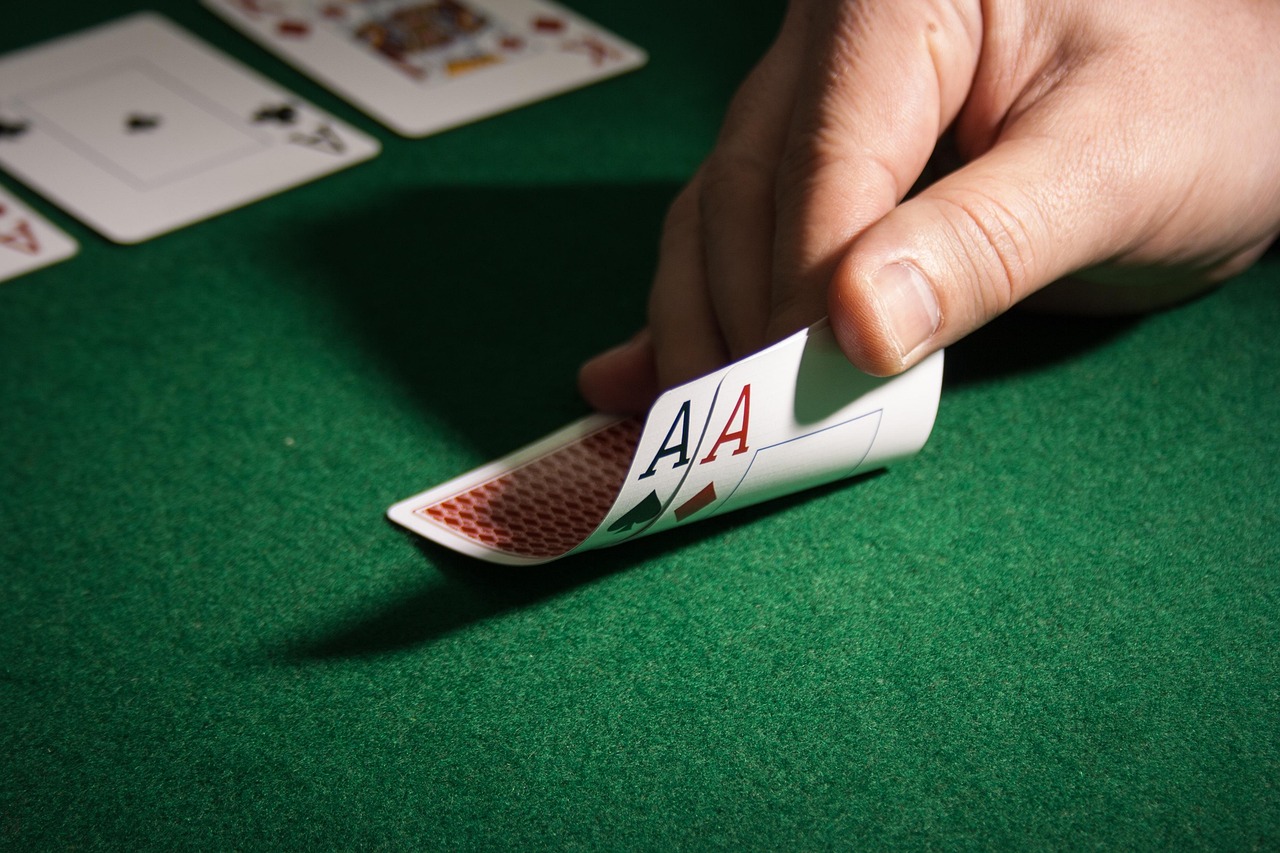
Slots are pure chance. Poker is not. That's why serious gamblers gravitate to the felt. In Texas Hold'em, you can calculate pot odds, read opponents, and exploit weaknesses. A skilled player can achieve a positive expected value (EV) over time—something impossible on a slot machine.
Consider this: a professional poker player might win 55% of their sessions. That tiny edge, compounded over thousands of hands, becomes a living. But it requires discipline, emotional control, and a deep understanding of probability. Sports betting is similar. If you consistently find lines where the true odds are better than the bookmaker's, you can profit. Most bettors don't. They bet with their hearts, not their heads.
The key difference? In slots, the house edge is fixed and unavoidable. In poker and betting, the edge can shift in your favor—if you're better than the other guy.
Five Practical Rules for Smarter Play
- Set a loss limit before you spin. Decide the maximum you're willing to lose. When it's gone, walk away. No exceptions.
- Check RTP and volatility. Skip anything below 94% RTP unless it's a progressive jackpot. Match volatility to your bankroll.
- Use bonuses wisely. A 100% match bonus with a 40x wagering requirement means you need to bet $4,000 to withdraw $100. Read the terms.
- Time your sessions. The longer you play, the more the house edge grinds you down. Short sessions have higher variance but lower total exposure.
- Never chase losses. That's how a $50 night becomes a $500 regret. Accept losses as the cost of entertainment.
The Bottom Line: Entertainment, Not Income
Slot machines are not investments. They're entertainment products, like a movie ticket or a concert. You pay for the thrill. The moment you expect to win, you've already lost the mental game.
That doesn't mean you can't enjoy them. It means you should play with money you can afford to lose, choose machines with decent RTP, and treat the whole thing as a night out. If you want an edge, switch to poker. If you want pure, unfiltered excitement with no decisions, slots deliver—just don't expect them to deliver your rent money.
The house always wins. But you can at least make sure you lose slower, smarter, and with a smile.